
Pet Emergencies

Who Will Take Care of My Pet If Something Happens to Me?

Most pet owners push this question away. A simple plan answers it: someone finds out, knows your pet is waiting, and knows exactly what to do.

By My Echo · Updated 2026-11-02

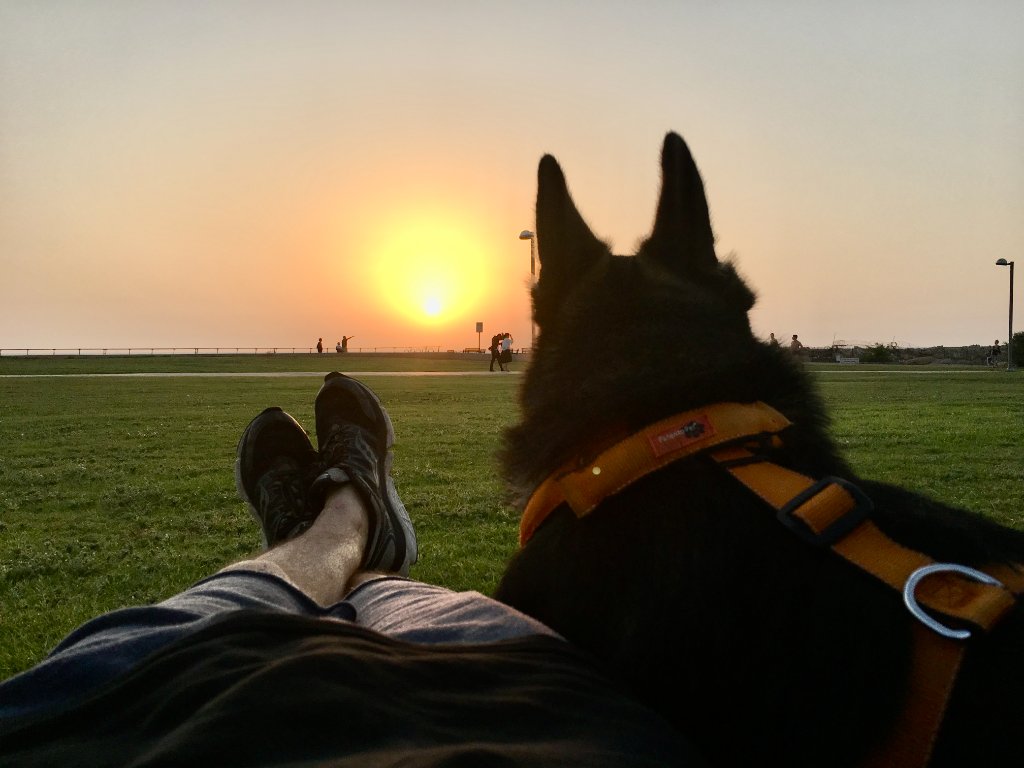
Echo, a German Shepherd, with Elad, the founder of MyEcho

Why this question matters to me

Echo was my whole world. Wherever I was, he wanted to be right next to me. And when I left, he waited by the door until I came back.

Some nights, watching him wait, I'd think: if something happened to me on the way home, who would even know he was here? He would just keep waiting.

That thought stayed with me, even after he was gone. It's why MyEcho exists. This guide is the answer I wish I'd had written down for him.

Elad, Echo's dad and founder of MyEcho

The short answer

Your pet is safe when three things are true:

  1. Someone finds out that you can't get home.
  2. They know a pet is waiting, and where.
  3. They know what to do: food, medication, the vet, and how to get in.

Most owners already have a person in mind. What's usually missing is the second and third part. Nobody thinks to check, and nobody has the instructions.

A 5-step pet care plan you can finish tonight

  1. Choose a main contact and a backup. Someone who lives close, can get into your home, and has actually said yes. Not just someone you assume would help.
  2. Write down the routine. Feeding amounts and times, medications and doses, your vet and the nearest 24-hour emergency vet, microchip number, habits and fears.
  3. Sort out access. A spare key with your contact, a lockbox code, or a neighbor who can let them in.
  4. Agree on it out loud. A five-minute conversation: "If you ever hear I'm in hospital, Luna is home alone. Here's what she needs." Then send it to them in writing.
  5. Decide how they'll find out. This is the step almost everyone skips. After an accident your phone may be locked, and nobody may know to call your contact. Carry a card in your wallet, fill in your phone's emergency info, and make sure the alert can actually reach them.

Want a head start? Our free Pet Emergency Plan Builder walks you through it.

If you have a dog

Dogs need to go out, eat and drink on a schedule, so time matters. A dog left alone too long may bark, become distressed or have accidents, and neighbors often notice first. That makes a neighbor a great backup contact.

Add to your notes: walk times, whether your dog tries to bolt through an open door, and how they react when a stranger comes in. See also how long a dog can stay home alone.

If you have a cat

Cats are easy to forget because they're quiet. Nobody hears a cat waiting.

Many cats can manage a day or two with enough food and fresh water, but not much longer, and a cat that stops eating can become seriously ill. Your vet can tell you what's safe for your cat.

Cats also hide from strangers. Tell your contact where your cat likes to hide, so they don't assume the cat got out. Mention the litter box and any medications. See also how long a cat can stay alone. Or check your cat with our Cat Home Alone Calculator.

Make a pet emergency card

Keep one card in your wallet and one on your fridge. Copy this:

I have a pet at home who depends on me. Pet: ________ (dog / cat), name ________ Please call: ________ or backup ________ Vet: ________

People who help after an accident often look in a wallet for ID. A card like this turns "nobody knew" into a phone call.

Where MyEcho fits

A plan on paper only works if someone sees it in time.

We're building MyEcho, a pet safety app, so that if something happens to you, the people you trust are alerted that your pet needs them, with your pet's instructions in hand. If something happens to you, MyEcho makes sure someone goes to them.

MyEcho doesn't replace calling emergency services. It makes sure your pet isn't the one who's forgotten. Join the MyEcho family to hear first when it's available.

Frequently Asked Questions

How fast would anyone notice if something happened to me?

Often, not fast enough. If you live alone, it can take a day or more before anyone realizes something is wrong, and longer before someone thinks about your pet. That's why deciding how your contact will be alerted matters most.

What if I live alone with a cat?

Then a plan matters even more, because a quiet cat gives no sign to neighbors. Choose a contact with access to your home, leave written notes on food, water, litter and hiding spots, and carry a pet emergency card.

Who should be my pet's emergency contact?

Someone who lives nearby, is comfortable with your pet, can get into your home, and has agreed to it. Always add a backup in case the first person can't be reached.

What about the long term, if I can't come back?

Choose a permanent guardian and talk to them about it. Many owners also leave instructions and money for their pet's care in a will or pet trust. Rules differ by country, so ask a local lawyer.

Is this guide only for dogs?

No. The same plan works for dogs, cats and other pets. Only the routine you write down changes.

Want extra peace of mind?

My Echo is a pet safety network built to make sure someone always knows your pet is waiting at home — even if you can't get back to them yourself. Join Early Access to help us build it, and be first in line when we launch.

Join Early Access

Join Echo's family on Facebook

Over 22,000 pet lovers follow Echo's story, share their own, and get pet safety tips from the MyEcho community.

Follow MyEcho on Facebook

Related Articles